
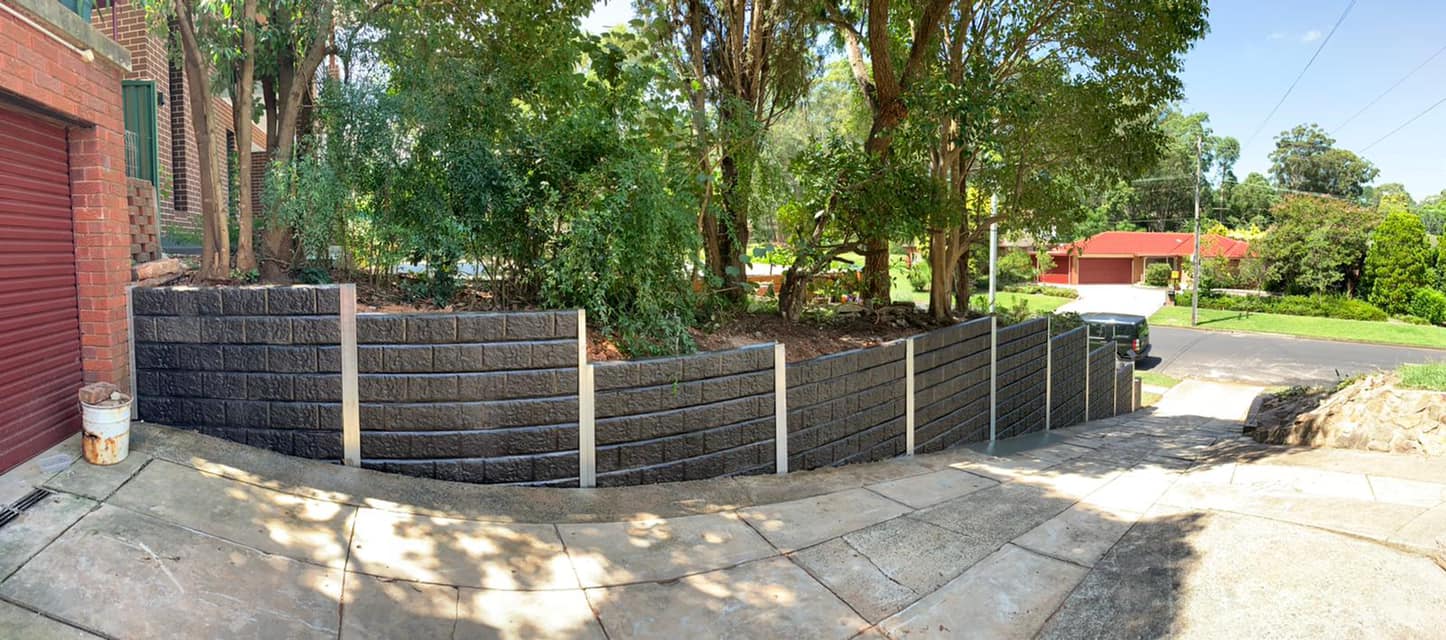
Before any soil gets moved, a proper concrete sleeper retaining wall guide can save homeowners across Richmond, Penrith and Sydney from costly mistakes. Sloping blocks are common throughout these areas, and a retaining wall built without the right planning, drainage or approvals can fail well before its time, sometimes taking a section of the yard with it. A little groundwork before ordering materials makes an enormous difference to how the finished wall performs over time.
What Makes Concrete Sleepers a Popular Choice
Concrete sleepers have become a preferred option for retaining walls because they resist rot, hold up against termites, and need very little ongoing maintenance compared to timber alternatives. For sloping properties around Sydney, durability matters, since a failed wall can affect drainage, fencing and even the stability of nearby structures. Many homeowners also prefer the clean, consistent look concrete sleepers offer compared to ageing timber.
Getting Your Retaining Wall Planning Right from the Start
Solid retaining wall planning begins well before any sleepers are ordered. Before starting, it helps to confirm:
- The exact height of the finished wall, measured from ground level
- How close the wall will sit to a boundary, easement or existing structure
- Whether the site has clay, sandy or reactive soil that affects design
- What load the wall will carry, including any structure built above it
Essential Tips for Installing a Long-Lasting Retaining Wall
A handful of practical retaining wall installation tips make a real difference to how long a wall lasts:
- Compact the base thoroughly before the first sleeper goes in
- Use galvanised steel posts sized correctly for the wall height
- Batter the wall slightly backward into the slope where appropriate
- Backfill in stages rather than all at once, compacting as you go
- Sort out drainage before backfilling is finished, not after the fact
Retaining Wall Regulations Australia Homeowners Need to Check
Retaining wall regulations Australia wide vary by state and council, but NSW follows a fairly consistent set of general thresholds. According to the NSW Planning Portal, retaining walls are commonly assessed as follows:
Wall Height | Typical Requirement |
Under 600mm | Often exempt development, subject to conditions |
600mm to 1m | May qualify as Complying Development |
Over 1m | Usually needs a Development Application and engineering certification |
Walls built on or near a boundary, within a flood zone, or supporting another structure often need approval regardless of height, so checking with the council or a certifier early is always worthwhile, and can save considerable rework further down the track.
Retaining Wall Drainage Requirements that You Cannot Skip
Getting retaining wall drainage requirements wrong is one of the most common reasons walls fail early. Trapped water behind a wall can build up serious pressure over time, so every job should factor in:
- A layer of free-draining gravel behind the sleepers
- Agricultural drainage pipe positioned along the base
- Weep holes spaced along the wall to release trapped water
- A proper outlet point so that collected water has somewhere to go
Why Richmond, Penrith and Sydney Properties Need Local Advice
Properties across Richmond, Penrith and the wider Sydney region often sit on clay-heavy or reactive soils, which behave differently from sandy sites when it comes to drainage and movement. Local suppliers familiar with these conditions can help match the right sleeper thickness, post spacing and drainage setup to your specific block, rather than applying a generic solution that might suit a coastal or sandstone-based property but not one with heavy clay underfoot.
Get in Touch with QuickRetain Before You Build
Working through a proper concrete sleeper retaining wall guide before construction begins, covering planning, installation, regulations and drainage, is the difference between a wall that lasts decades and one that needs costly repairs within a few years. Getting each of these elements right the first time is almost always cheaper than fixing them later.
QuickRetain provides premium concrete sleepers, steel posts, and retaining wall accessories to customers throughout Richmond, Penrith, Hawkesbury, and the greater Sydney region. Call us today to discuss the right materials for your next retaining wall project.
FAQ
What should I know before building a concrete sleeper retaining wall?
Check wall height, boundary distance, soil type and drainage needs before ordering materials or starting work.
What are the key steps in planning a retaining wall project?
Measure the finished height, assess soil conditions, confirm boundary setbacks, and plan for proper drainage from the outset.
What are the most important retaining wall installation tips for long lasting results?
Compact the base well, use correctly sized posts, backfill in stages, and never skip drainage during construction.
What are the retaining wall regulations in Australia that homeowners should know?
Height thresholds and approval requirements vary by state and council, with taller or boundary-adjacent walls usually requiring approval.
What are the drainage requirements for a concrete sleeper retaining wall?
Include gravel backfill, agricultural drainage pipe, weep holes and a clear outlet to prevent water pressure building up.


